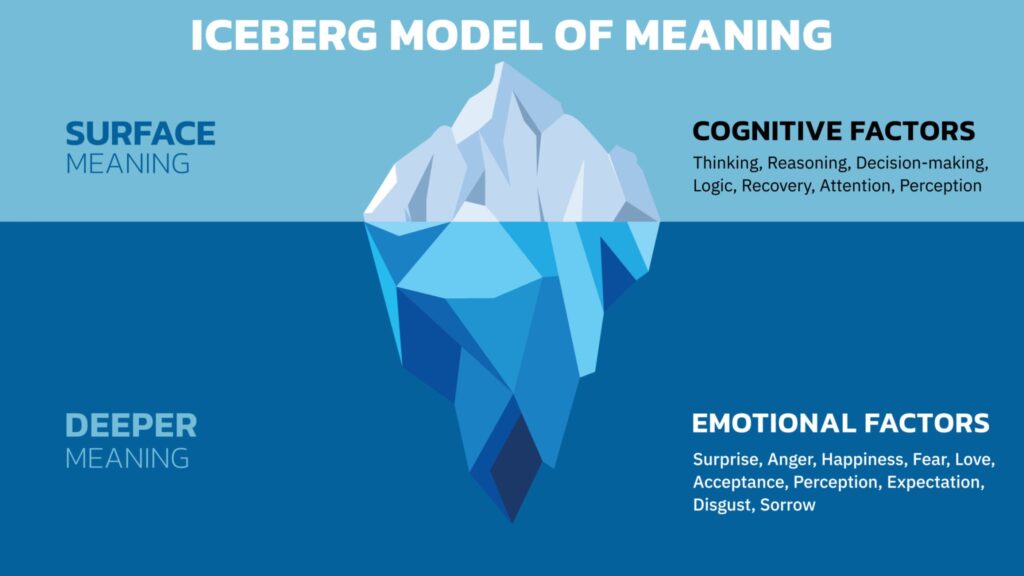
You didn’t sign up for a life of “parallel play.”
You remember the early days: the electricity, the chats that lasted until 3:00 AM, the feeling that finally, someone truly got you. You were a team. You were alive.
Fast forward to now, and your most frequent conversations revolve around the school run, the mortgage, and whose turn it is to unload the dishwasher.
You’ve become Civilised Roommates. You’re “fine,” but you aren’t connected. You are navigating two different emotional continents under the same roof.
If you feel the drift, understand this: Your relationship isn’t broken. It’s just stuck in a survival loop.
The Guru Secret: Your Partner is Your Greatest Healer
In the 1980s, Dr. Harville Hendrix and Dr. Helen LaKelly Hunt cracked the code of relational longevity with Getting the Love You Want workshop. They discovered a truth that feels like a lightning bolt: We do not pick our partners by accident. Your subconscious mind—the “Old Brain”—is a master matchmaker. It sought out the one person perfectly equipped to trigger your oldest, unhealed wounds.
Why? So you could finally heal them.
That friction you feel? That “annoying” habit your partner has? That’s not a sign you’re with the wrong person. It’s the sound of your relationship trying to evolve. It is growth knocking on the door, disguised as an argument.
The Science of the “Safety Gap”
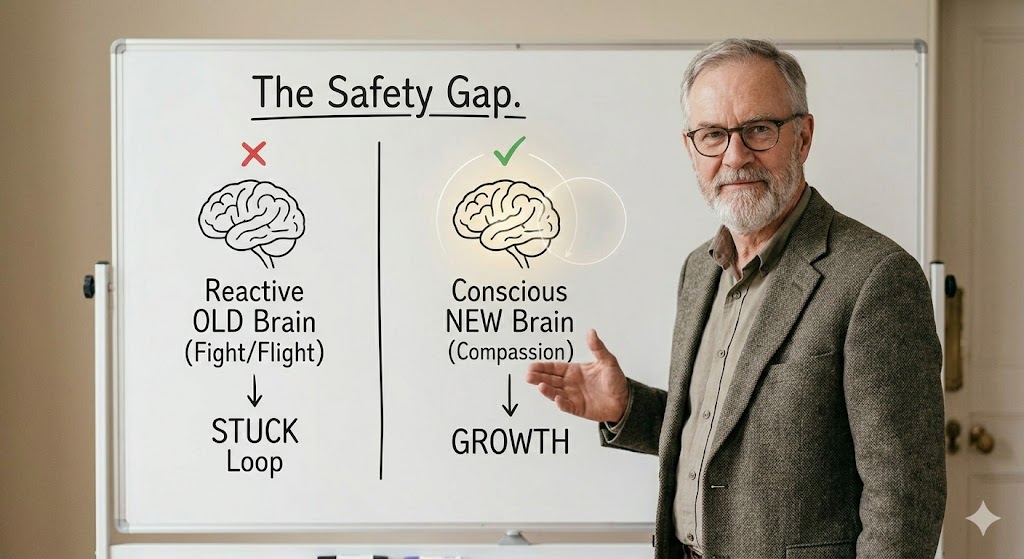
When the spark fades, it’s because Safety has left the room. Biologically, when we feel misunderstood or ignored, our nervous system goes into a survival loop. The amygdala—the brain’s alarm system—fires off, and we slip into “fight, flight, or freeze.”
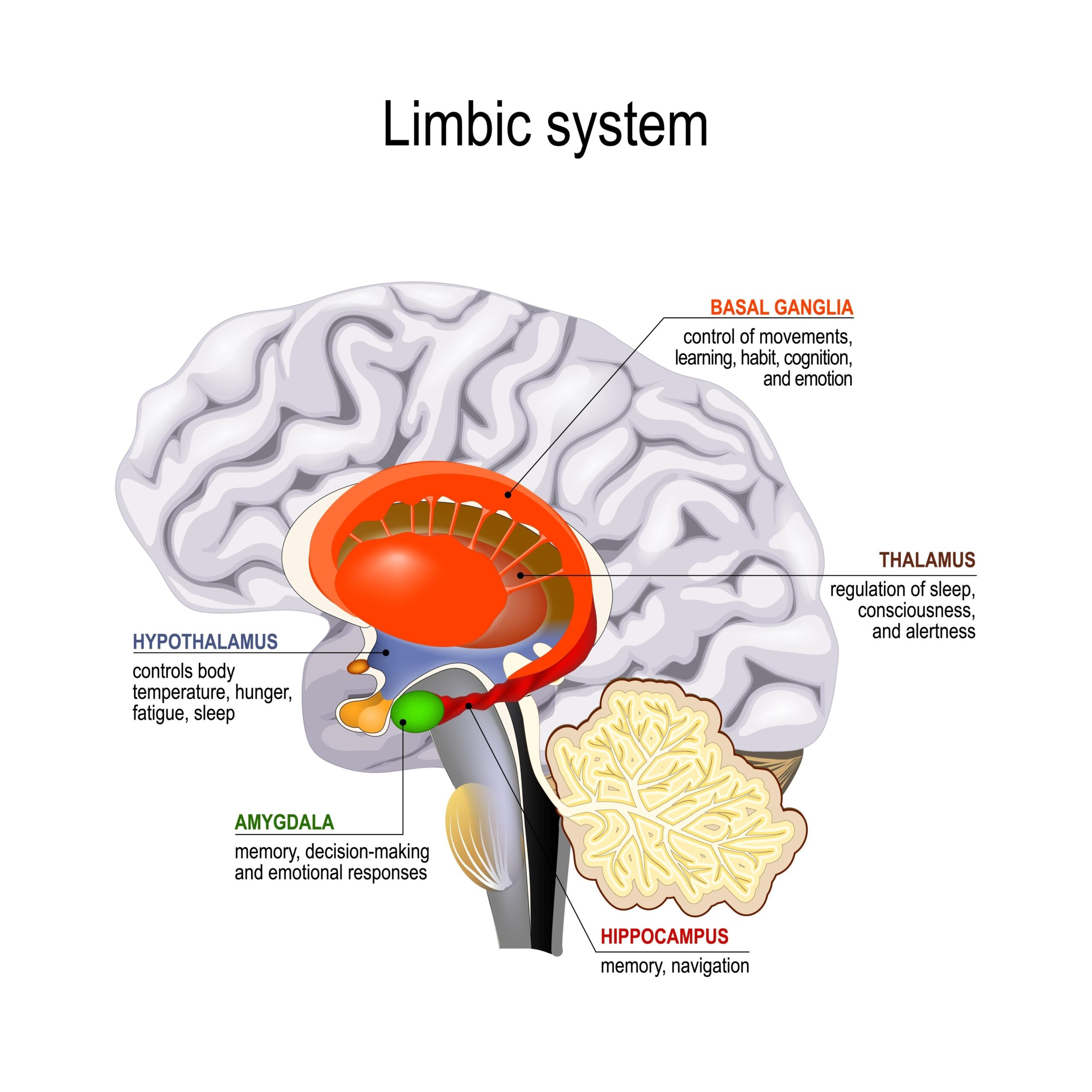
In a marriage, this looks like the “Power Struggle.” One partner becomes the chaser (criticising, seeking connection through conflict), while the other becomes the withdrawer (numbing out or avoiding). To change the relationship, we have to change the nervous system. We move from the reactive “Old Brain” to the conscious, compassionate “New Brain.” This is the core of Imago Relationship Therapy.
Enter the “Helper Husband”: A New Model for Connection
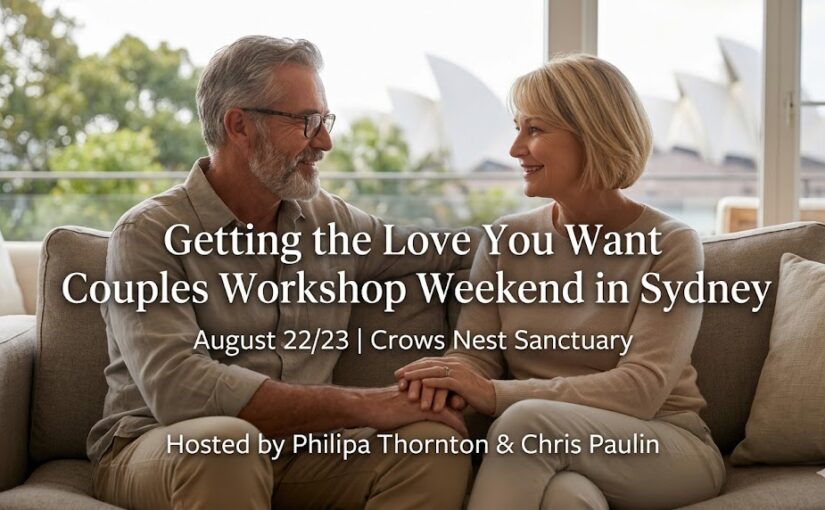
At our August 22–23 Intensive in Crows Nest, we don’t just “talk about feelings.” We perform Relational Alchemy. The workshop is co-facilitated by Philipa Thornton (Psychologist & Master Guide) and her “Helper Husband,” Chris Paulin (Consultant Psychologist). This dynamic is our “secret sauce.” Philipa brings the profound clinical wisdom of an Imago expert, while Chris provides a grounded, no-fluff perspective that resonates with partners who might be hesitant about “therapy-speak.”
Chris models the “Helper Husband” role—proving you don’t need to be a “sensitive soul” to be a masterful partner. You just need the right tools and a willing heart. He is the bridge between deep psychology and the reality of being a partner in the real world.
A Weekend of Radical Privacy
We know the biggest barrier to seeking help: the fear of “sharing.” Rest assured, this is a private, sacred experience. * Group sharing is 100% optional. Your deep work is done entirely with your partner. You won’t be “put on the spot.”
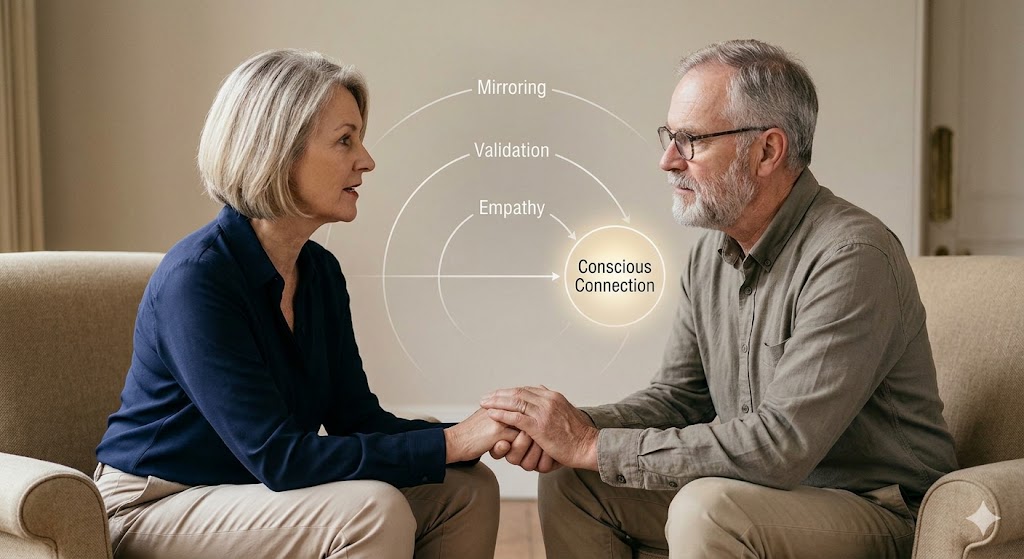
- The Sacred Dialogue: We teach you a structured way to talk—Mirroring, Validation, and Empathy—that bypasses the “Old Brain” defences. It turns a potential two-hour argument into a 10-minute bridge of connection.
- Healing the Invisible: You will map your individual blueprints, finally understanding why you react the way you do, and how to help your partner feel safe enough to put their guard part down.
A Note for Fellow Clinicians
If your clients are stuck in a cycle of reactivity that a 50-minute session can’t break, this intensive is the booster shot they need. They return to your rooms regulated, articulate, and ready for the deep work you do. Refer with confidence to a team that lives the model and respects their therapist.
Meet Your Imago Guides: The Masters of the Heart Map
Philipa Thornton and Chris Paulin aren’t just facilitators; they are a husband-and-wife team who bring a combined 70+ years of psychological expertise to the room.
- Philipa Thornton: A Master Imago Therapist Guide and Psychologist who specialises in the “Deep Architecture” of the heart. She identifies the “Imago” blueprint and helps you navigate back to a state of capable, conscious connection.
- Chris Paulin: The “Helper Husband” with 45 years of clinical skin in the game (including his distinguished work with NSW Health). Chris is the grounded anchor who makes the complex simple. He proves that even the most hesitant partner can find their way back to the heart.
A Weekend of Radical Privacy
We know the biggest barrier to seeking help: the fear of “sharing” your business with strangers. Rest assured, this is a private, sacred experience. * Group sharing is 100% optional. Your deep work is done entirely with your partner. You won’t be “put on the spot.”
- The Sacred Dialogue: We teach you a structured way to talk—Mirroring, Validation, and Empathy—that bypasses the “Old Brain” defences. It turns a potential two-hour argument into a 10-minute bridge of connection.
- A Sanctuary in Crows Nest: Step out of the “daily admin” and into a space designed for your relationship to breathe again.
Stop Surviving. Start Awakening.
This August, step out of the “Roommate Trap” and back into the Love You Actually Want. A relationship is not something you “find”; it is something you build, day by day, with the right tools and a little bit of grace.
Join the Evolution in Crows Nest
- Date: 22–23 August 2026
- Location: Crows Nest Community Centre, Sydney
- The Vibe: High-end, private, and profoundly transformative.
- Availability: Strictly limited to 10 couples to ensure the energy stays deep and the focus sharp.
End the stalemate and rediscover the magic.
Chris and I warmly invite you to this wonderful workshop and upgrade your relationship and heal your family.